Source flexible eva knee pads with hook and loop for Sports
Compare 30 listings of flexible eva knee pads with hook and loop designed for basketball, football, and tennis. Buyers can evaluate material specs, customization options, and pricing from verified Chinese manufacturers; compare the available evidence and request quotations based on your requirements.
Key considerations
Products List






Comprehensive Sourcing Guide
Flexible Eva Knee Pads With Hook And Loop Sourcing Guide
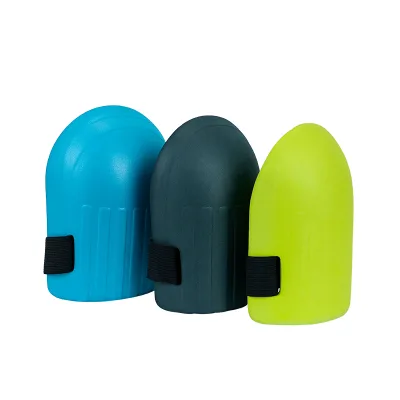
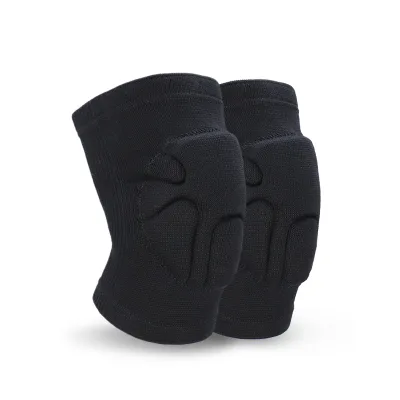
Procuring flexible EVA knee pads with hook and loop closures requires a strategic approach to balancing comfort, durability, and customization. These products are primarily designed for adult users seeking health care support during activities such as basketball, football, tennis, badminton, and table tennis. The hook and loop mechanism offers adjustable fit, which is critical for ensuring proper patella support and compression without restricting blood flow. Buyers must prioritize suppliers who understand the biomechanical needs of athletes and active individuals, ensuring the product provides adequate protection while maintaining ease of use.
The material composition is a decisive factor in product performance, with Ethylene-Vinyl Acetate (EVA) being the dominant choice due to its softness, good elasticity, and waterproof properties. Some listings may also feature Nylon components for enhanced durability or breathability, particularly in the strap areas. Sourcing teams should verify the specific material blend to ensure it meets the required hardness standards, typically around Shore C 45 degrees, to provide sufficient cushioning without being too rigid. Understanding the material properties helps in predicting how the knee pad will perform under stress and over time, directly impacting customer satisfaction and return rates.
Product Scope and Observed Listing Signals
Market listings for flexible EVA knee pads reveal a wide range of specifications, including thicknesses from 2mm to 60mm and various sizes such as 40cm18cm and 45cm28cm. The observed price range is broad, reflecting differences in material quality, customization options, and order volumes. Buyers should note that while some products are marketed as "color plastic sheets," the final application is often as kneepads or braces, indicating a need for clear communication with suppliers about the end-use form. The availability of any color and custom logos allows for strong brand differentiation, which is essential for private label opportunities in the sports and medical supply sectors.
Minimum Order Quantities (MOQ) vary significantly, with some suppliers requiring up to 5000 pieces while others accept orders as low as 1000 or even 2 pieces for samples. This variability impacts initial inventory risk and cash flow planning. Buyers should carefully evaluate the sample time, which typically ranges from 5 to 12 days, and production time, which can extend from 25 to 35 days. These lead times are crucial for supply chain planning, especially when launching new product lines or responding to seasonal demand spikes in sports equipment. Understanding these operational constraints helps in setting realistic expectations for delivery and managing stakeholder communications effectively.
Technical Specifications to Verify
Tensile strength and contraction percentage are critical technical metrics that determine the structural integrity of the knee pad. Products with a tensile strength of 81~130MPa and a contraction percentage of less than 0.4% offer reliable durability and shape retention after repeated use and washing. Buyers must verify these specifications to ensure the product will not deform or tear under the stress of athletic movements. Additionally, water absorption rates between 1.5% and 3.5% indicate the material's resistance to moisture, which is vital for hygiene and longevity, particularly in high-sweat environments. These physical properties directly influence the product's lifespan and performance reliability.
Hardness and thickness are equally important for user comfort and protection. The ideal hardness is often around Shore C 45 degrees, providing a balance between softness and support. Thickness options range from thin to thick, allowing buyers to select products suitable for different levels of impact protection. For instance, thinner pads may be preferred for lightweight support during running, while thicker pads offer more cushioning for contact sports. Buyers should request detailed specification sheets for each model, such as EVA-B-0002 or WN235, to ensure the technical data aligns with their specific quality requirements and target market expectations.
Compliance and Safety Documentation
While specific certification statuses may vary, buyers should insist on documentation that confirms the materials are safe for skin contact and free from harmful substances. In the health care and sports protection sector, compliance with relevant safety standards is non-negotiable. Buyers should verify if the products meet any applicable regional regulations for medical devices or sports equipment, depending on the target market. Although some listings mention standards like EN 14404, buyers must confirm the exact applicability and current validity of any cited standards. Requesting third-party test reports for material safety and mechanical performance adds a layer of assurance and reduces liability risks.
Documentation should also include clear labeling and packaging instructions that comply with destination country requirements. This includes accurate material composition labels, care instructions, and warning labels if necessary. Buyers should ensure that the supplier provides all necessary documentation for customs clearance and product registration. Proper documentation not only facilitates smooth import processes but also enhances brand credibility by demonstrating a commitment to quality and safety. It is advisable to establish a checklist of required documents before placing orders to avoid delays and ensure full regulatory compliance.
Cost Drivers and Commercial Terms
The cost of flexible EVA knee pads is influenced by several factors, including material costs, customization complexity, and order volume. Customization options such as specific colors, logos, and packaging can increase production costs, so buyers should balance branding needs with budget constraints. Payment terms typically include L/C and T/T, which offer flexibility but require careful financial planning. Buyers should negotiate favorable terms based on order size and relationship history, ensuring that payment schedules align with production milestones to mitigate financial risk. Understanding the cost structure helps in making informed decisions about pricing strategies and profit margins.
Shipping and logistics costs also play a significant role in the total landed cost. Products originating from Zhejiang, China, benefit from established manufacturing hubs, but buyers must account for freight charges and potential tariffs. Packaging options, such as carton packing, can affect shipping efficiency and product protection during transit. Buyers should optimize packaging designs to maximize container space and minimize damage risks. Additionally, considering the environmental impact of packaging materials can align with sustainability goals and appeal to eco-conscious consumers. A holistic view of cost drivers enables buyers to achieve competitive pricing while maintaining product quality.
Supplier Qualification and Quality Control
Supplier qualification is a critical step in ensuring consistent product quality and reliable service. Buyers should conduct thorough due diligence, including verifying business licenses, manufacturing capabilities, and quality management systems. Visiting factories or requesting virtual tours can provide insights into production processes and quality control measures. Suppliers with a track record of producing high-quality EVA products for reputable brands are preferable. Buyers should also assess the supplier's responsiveness and communication skills, as these factors are crucial for resolving issues promptly and maintaining a smooth supply chain. Building a strong relationship with qualified suppliers enhances long-term partnership value.
Quality control measures should be implemented at various stages of production, from raw material inspection to final product testing. Buyers should define clear quality standards and inspection criteria, such as tensile strength, hardness, and visual defects. Implementing pre-shipment inspections can help identify and rectify issues before products leave the factory. Buyers may also consider hiring third-party inspection agencies to conduct independent quality checks. Establishing a robust quality control system reduces the risk of receiving defective products and minimizes the need for returns or replacements. Consistent quality assurance protects brand reputation and ensures customer satisfaction.
Long-Term Procurement Checks
Long-term procurement success depends on continuous monitoring of supplier performance and market trends. Buyers should regularly review supplier metrics, including on-time delivery rates, product quality consistency, and responsiveness to issues. Establishing key performance indicators (KPIs) helps in objectively evaluating supplier contributions and identifying areas for improvement. Regular communication and feedback sessions with suppliers foster collaboration and drive continuous improvement. Buyers should also stay informed about industry developments, such as new materials or technologies, to remain competitive. Adapting to market changes ensures that the product offering remains relevant and appealing to customers.
Sustainability and ethical sourcing are increasingly important considerations for long-term procurement strategies. Buyers should assess suppliers' environmental practices and labor standards to ensure alignment with corporate social responsibility goals. Implementing sustainable sourcing practices can enhance brand image and attract environmentally conscious consumers. Buyers should also plan for product lifecycle management, including end-of-life disposal or recycling options for EVA materials. By integrating sustainability into procurement strategies, buyers can mitigate risks and contribute to a more responsible supply chain. Long-term checks ensure that procurement practices evolve in line with global standards and consumer expectations.
FAQs
How flexible are EVA knee pads with hook and loop closures?
EVA knee pads with hook and loop closures stay flexible because EVA foam bends with the knee during movement. Softness and elasticity depend on foam hardness, which suppliers can adjust, with Shore C 45 as one listed option. Hook and loop straps let you position the pad and adjust tension quickly during use.
Can I customize the color, size, and logo of flexible EVA knee pads?
Yes, customization is available. Suppliers list any color as available, sizes made per your request, and customized logos accepted, so you can match team or brand requirements. Printing is also accepted on listed products. Confirm your artwork, color references, and size specifications with the supplier before production begins, since sample and production times vary by product.
What sizes and thicknesses are available for EVA knee pads?
Listed products cover thicknesses from 2mm to 60mm, with sheet sizes including 40cm by 18cm and 45cm by 28cm, and sizes made per your request. Thinner pads suit lighter support needs, while thicker foam offers more cushioning. Hardness can also be specified, such as Shore C 45 degrees or another requirement, so discuss your application before ordering.
Which sports are these knee pads suitable for?
Listed knee pads mention protection projects including basketball, football, tennis, badminton, and table tennis. The products are marketed for adults with a health care feature. Suitability for a specific sport depends on the pad thickness, hardness, and strap design, so match those specifications to your impact level and movement patterns before placing an order.
What is the typical MOQ for custom EVA knee pads?
Minimum order quantities on listed products vary. Some listings state 5000 pieces as the MOQ, while others state 1000 pieces, and one product lists a range starting from 2. Since MOQ depends on the specific model, customization level, and materials, confirm the exact MOQ for your chosen specification directly with the supplier before requesting a quotation.
How long do sampling and production take for customized knee pads?
Listed products show sample times of 5 to 12 days and production times of 25 to 35 days, with one listing showing 30 to 35 days for production. Actual timing depends on customization complexity, order quantity, and the supplier's current schedule. Request a written timeline covering sampling, approval, and mass production before confirming your purchase order.
What are the payment terms for ordering these knee pads?
One listing states payment terms of L/C and T/T, so both letters of credit and telegraphic transfer are accepted options. Payment terms can vary by supplier, order size, and destination, so confirm the accepted methods and deposit split when negotiating. Also clarify whether packing follows your requested requirements, since carton packing and custom packing are both listed.
What material properties do EVA knee pads offer?
Listed EVA products describe soft material with good elasticity and waterproof performance, with tensile strength of 81 to 130MPa, contraction under 0.4 percent, and water absorption between 1.5 and 3.5 percent. Some knee pad models use nylon combined with EVA padding. These properties make EVA a common choice for flexible, cushioned knee protection in sports applications.